If you have ever watched a film where a sharp-eyed player memorises every card and walks out ahead, you have probably wondered is card counting illegal in australia. The short answer is that the practice itself is not a criminal offence, but casinos are private venues and they reserve the right to refuse service. During a recent product review in Canberra, I watched a floor manager quietly reshuffle a shoe the moment a player started tracking ten-value density, which is a reminder that rules on paper and rules on the felt rarely match. If you are exploring where to play with a clearer view of the odds, you can compare ongoing promos and loyalty tiers at goldenbetcasino-nodeposit-aus.com before you commit any time or money.
The Legal Line Between Skill And Cheating
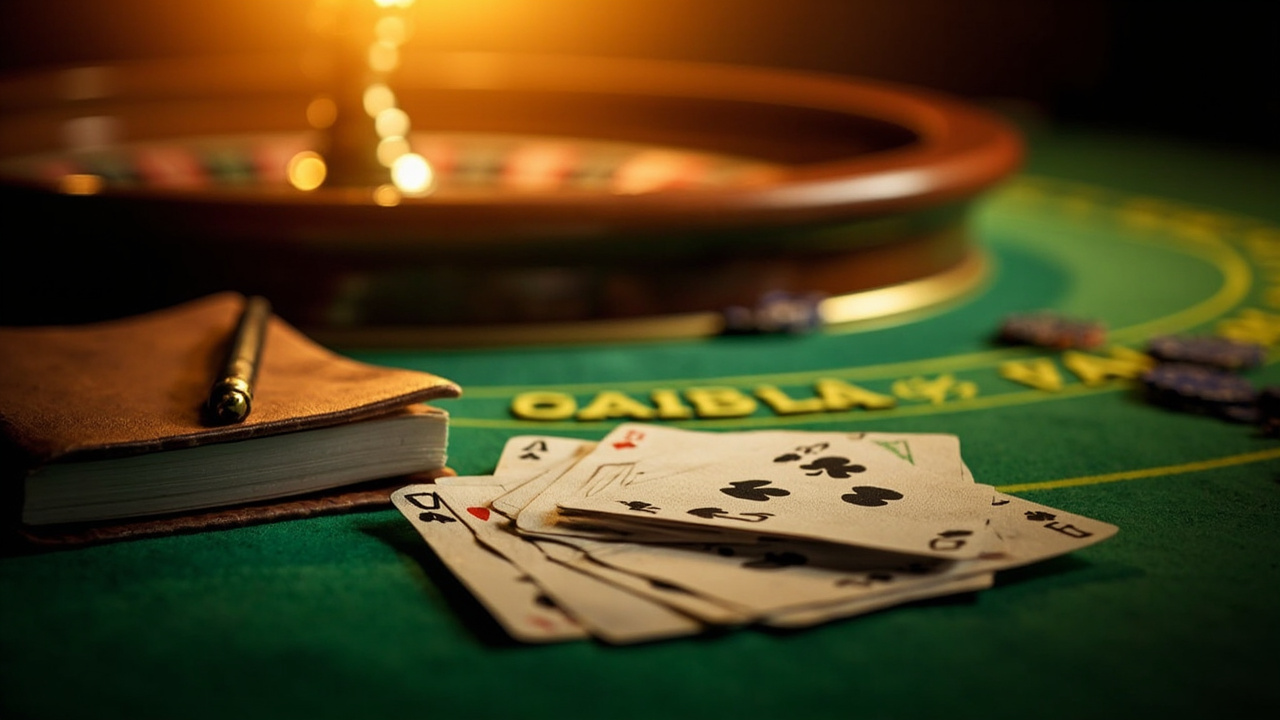
Australian law draws a firm line between counting cards in your head and using an external device or marked deck. The first is a mental strategy that no statute criminalises, while the second crosses into cheating and can trigger fraud charges under state legislation. In my years running esports operations, I learned that the difference between a skilled operator and a banned one usually comes down to whether you rely on your own observation or a tool someone else built. Casinos across the country treat suspected counters as a liability, not a criminal, so they will escort you out and blacklist you rather than call the police. A suspected counter who keeps their bets steady is often described as flat-betted, which is the tell staff watch for when a player stops varying stakes with the count.
| Approach | Legal status | Casino response |
|---|---|---|
| Mental card counting | Not illegal | Refusal of service, possible ban |
| Device-assisted counting | Illegal in most states | Police referral, trespass notice |
| Marked cards or collusion | Illegal | Criminal charges, prosecution |
How Casinos Spot A Counter And React
Floor staff do not need a mathematics degree to notice a player who suddenly raises stakes after a favourable shuffle. They watch bet spread, playing deviations, and how long someone sits at a single shoe, then they act long before any profit adds up. I have seen the same pattern in tournament operations, where a player who stops adapting to changing conditions gets flagged faster than one who simply plays well. The most common response is a polite request to leave, a reshuffle, or a change in the cut card position, and none of those steps require a legal ruling. If you want a venue that keeps its game mix and bonus terms transparent, you can check goldenbetcasino-nodeposit-aus.com for the current table limits and recurring cashback details.
- Watch for sudden bet increases after a fresh shoe
- Notice whether a player deviates from basic strategy only when the count favours it goldenbetcasino-nodeposit-aus.com
- Check if the table is being shuffled early or the cut card moved deeper
Where Online Play Changes The Picture
Digital tables remove the physical tells that make counting visible, but they also introduce continuous-shuffle machines and frequent auto-resets that flatten any advantage. The same legal principle applies online in Australia: no one is arrested for tracking cards, yet operators can close accounts or restrict play if they suspect an unfair edge. When I led product work for Stake.com partnerships, we treated advantage play as a risk-management problem rather than a legal one, because the goal was to keep the game fair without turning every sharp player into a dispute. That approach is worth keeping in mind if you are comparing sites that promise a steady stream of tournaments and loyalty rewards instead of a one-off bonus. You can see how one operator structures its repeat-play incentives at goldenbetcasino-nodeposit-aus.com before you decide where to put your time.
What This Means For Your Own Play
If you enjoy blackjack for the pace and the decisions, counting is a legitimate way to sharpen your understanding of the game, provided you stay within the rules of the room you are in. The practical reality is that a live casino will protect its edge long before a court ever gets involved, so the smartest move is to treat any session as entertainment with a known cost. I usually tell people to think about it the way I think about a busy esports schedule: you can prepare thoroughly, but you still play within the limits the venue sets. Brunson’s hand of ten-two became famous after he won two titles with it – now called the “Doyle Brunson” – and that kind of history is a reminder that memorable play is about reading the situation, not breaking it. What is your take on advantage play: do you respect the skill, or do you reckon the house edge should stay untouchable?